



High-Temperature Resistant Silicone Molding | Guide
What is High-Temperature Resistant Silicone Molding?
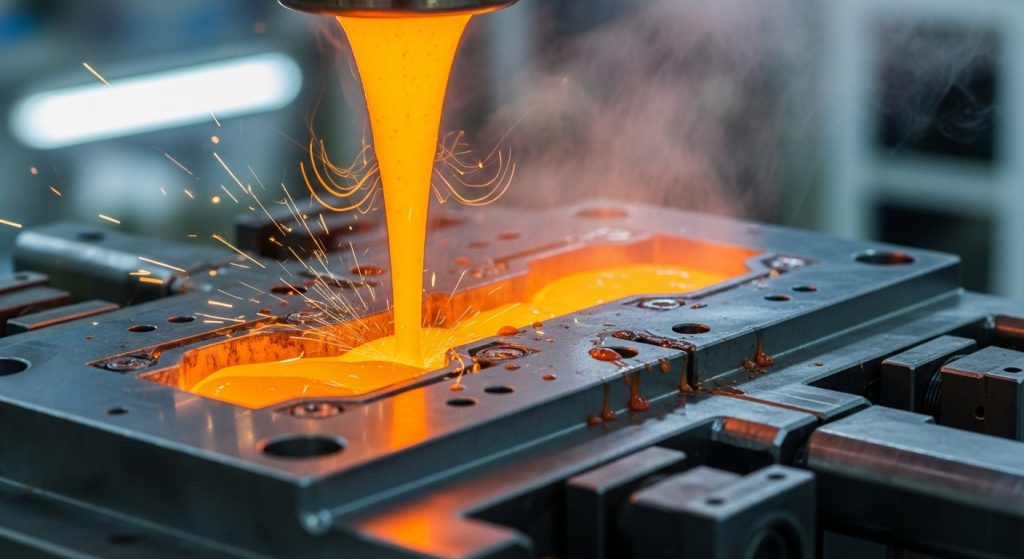
High-temperature resistant silicone molding is a specialized process intended to create silicone components capable of high-temperature structural integrity in conditions of high thermal stress. These silicone molds, in contrast to the standard silicone molds, are designed with increased thermal stability, dimensional precision, and repeatability in the production cycle.
The process is usually performed through the use of heat-resistant silicone rubber molding or silicone high-temperature molds that could operate in temperatures of between 200 °C and 300 °C, based on the type of silicone used and the use.
Key Benefits Include:
- High-temperature durable silicone molds.
- The capability of making complex and multi-cavity parts.
- Regular heat-sensitive components are used in automotive, aerospace, and electronics.
- Less wastage since it is highly repeatable and stable.
Innovative Solutions to Highly Fastidious Applications
- High-temperature resistant silicone molding has become a vital technology in modern-day manufacturing that is used to create durable and heat-tolerant components. It can be automotive, aerospace, medical devices, or electronic, and this means that the industries demand high-precision silicone molds that can withstand extreme temperatures and produce consistent quality and complex geometry.
- The industrial silicone molding is on the increase with more companies realizing the benefits of thermal-resistant silicone mold in high-volume production, prototype fabrication, and tailored solutions of components.
Silicone Grades and Materials
Thermally resistant molding requires the selection of a silicone material. Usually used grades of silicone casting in high temperatures include:
- The Medical-Grade Silicone: This silicone can be used in medical equipment that needs to be sterilized and hold up to high temperatures.
- Silicone Industrial Grade: Silicone optimized for machinery, automotive, and high-performance electronics.
- High-Temp Elastomers: Special silicones used in temperatures to 300degC.
With these materials, silicone molds have a long life cycle in terms of performance, thermal stability, and high dimensional precision in silicone mold production.
High-Temperature Silicone Molding Process
- Mold Design & Fabrication
Heat silicone molds Custom heat silicone molds are created by first designing the mold in CAD/CAM software and then creating the actual mold. The engineers optimize molds on:
- Thermal stability
- Dimensional accuracy
- High-volume multi-cavity production.
Such sophisticated systems as CNC-controlled silicone mould production provide the moulds with engineering-level requirements.
- Silicone Compression Molding
High-temp silicone molding. High-silicone compression molding is very successful in that it allows:
- Parts in the form of complexes that are reproducible.
- Multiple molds of the product are used in one mold to produce in bulk.
- Tolerances +-0.2mm to +-0.5mm based upon design complexity.
- Curing & Post-Processing
After molding, the components are heat-cured to increase mechanical strength and thermal resistance. Post-processing may include:
- Trimming
- Surface finishing
- Checking of repeatable heat-tolerant performance.
This is done to ensure that industrial high-temperature silicone molds can be made to be consistent and functional, thus able to be used in critical applications.
Applications in Any Industry
- Automotive
Silicone products that are of high temperatures are essential in engine components, gaskets, and seals. Manufacturers make precision silicone parts using heat-resistant silicone mold making, which are resistant to heat and chemical exposure in the engine.
- Aerospace
High-performance silicone molds are applied in aerospace in thermal insulation parts, flexible seals, and high-temp connectors. These molds are required to provide dimensional stability in extreme cases.
- Electronics
Silicone electronics molding at high temperature assists in creating heat-resistant casing, connectors, and sensor materials so that they can last longer and maintain constant operation when subjected to constant heat.
- Medical Devices
High-temperature silicone molding- Medical grade. High-temperature silicone molding allows the production of autoclavable components and parts that need sterilization and still achieve excellent mechanical and thermal characteristics.
- Consumer Products
Thermally resistant silicone molds can be used in kitchen appliances as well as in the casing of industrial machines to enable manufacturers to provide superior quality and heat-resistant items that can be used in daily activities.
Benefits of High-Temperature Resistant Silicone Molding
- Thermal Stability
Silicone molds are very useful at high temperatures as they do not deform and retain their shapes and structure due to heat over a long period.
- Precision & Repeatability
High-performance silicone molds allow uniform replication of complicated designs, and all components are precisely to specifications.
- Durability
Extremely high temperatures have long production times with durable silicone molds that can avoid wear and tear without long downtimes and high costs in maintenance.
- Customizability
Heat-related custom silicone molds enable manufacturers to design cavities to fit certain parts, including multi-cavity silicone molds that are more efficient.
- Cost Efficiency
Although it incurs an initial investment in tooling, high-temp silicone molding minimizes wastes, makes high-volume production possible, and reduces long-term production costs.
- Wide Range of Applications
Industrial silicone molding is versatile and unmatched in the automotive and aerospace sectors, as well as the medical and electronic sectors.
Technical Insights
- Thermal Management
Through proper thermal control in silicone molding, even curing, dimensional accuracy, and thermal degradation of parts are avoided.
- Multi-Cavity Molding
High-temperature multi-cavity silicone molds are more efficient and can be used to manufacture many parts at the same time without compromising the quality.
- Automation & Prototyping
High temperature and CNC-assisted prototyping of silicone moulds add high temperatures and make high-volume silicone moulding with automated production possible.
- Quality Control
Mold making with heat resistance is a manufacturing process that uses stringent inspections to achieve a high-quality quality repeatable part, which has dimensional stability and thermal performance.
- Maintenance
This is done by regular maintenance and repair of high-temperature molds so as to increase the life of molds, enhance performance consistency, and minimize downtime.
Conclusion
High-temperature resistant silicone molding is considered one of the pillars of the modern manufacturing industry, as it is now possible to make the components of the industry durable, heat-resistant, and precision parts through high-temperature resistant silicone molding. To get high-quality industrial-grade high-temperature silicone molding solutions, go to SunOn Mould to get custom, durable, and precision silicone molds that are to be used in extreme conditions.
